Breakout Session Photography
How We Photograph Breakouts
Nobody needs photographs of every breakout, and a photographer who tries comes back with a gallery of half-empty rooms and flat presenters. Breakout coverage is a selection problem before it is a photography problem: walk into six rooms, read each one in about ten seconds, and spend your time in the two that are actually alive. Here's how a track gets covered, in the order it happens.
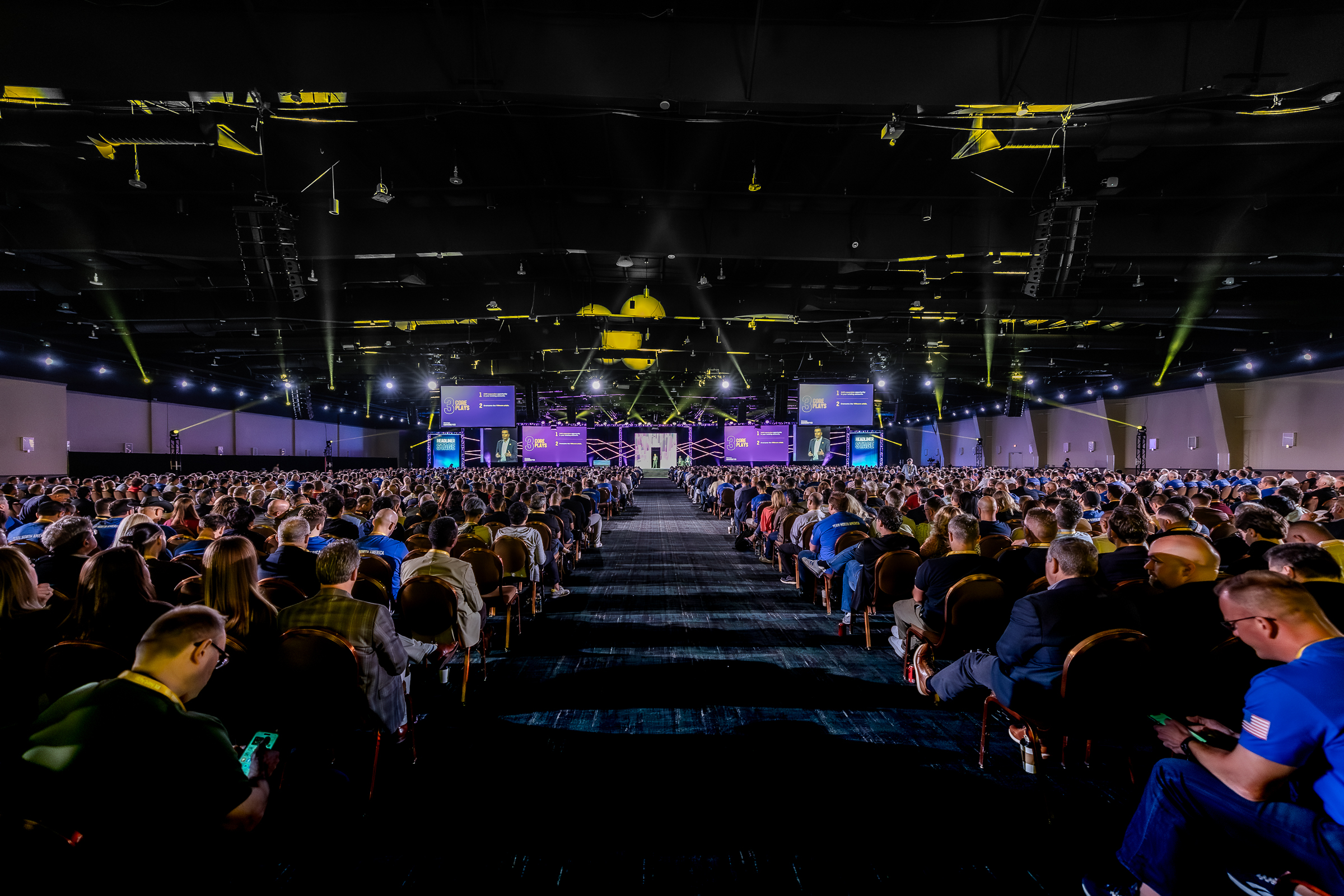
How does Vetter Event Group photograph conference breakout sessions?
We photograph a sampling of breakouts rather than all of them, and choosing which ones is the actual skill. We shoot only full-looking rooms and only engaged-looking attendees, framing tighter when a room is thin so nothing reads as poorly attended. Presenters are photographed only while animated, and something identifying each session gets shot at its start so the images stay findable later.
Your Delivered Gallery
Small rooms, active discussions, useful coverage
A representative slice of a breakout track delivery, in the order it lands in your gallery. Not a highlight reel: the room filling, the presenter alive, the attendees engaged, and the details that make a session identifiable later. Click any frame to see it full size.
In the final edit
Participation is the point
Breakout coverage should help someone understand what attendees did and learned. We favor frames with visible engagement over repeated views of seated rows.
- Attendees exchanging ideas or working through an activity
- A presenter making a point to an engaged room
- Notes, hands, and workshop materials that explain the session
- Room views that show participation without foregrounding empty chairs
A useful view across the session tracks
- Room selection guided by attendance, activity, and the strength of the photographs
- Arrival before the session to catch introductions and informal exchanges
- Workshop participation and collaboration given priority
- Presenters photographed when their gestures and expressions carry the point
- Session identifiers captured so a busy program stays findable
- Brief, quiet coverage that keeps the session moving
Choosing the room is the job
Our standard is unusually blunt about this: pop your head in, and if the lighting is poor and the speaker is flat, go find a better session. It sounds almost rude written down, and it is the single most valuable rule in breakout coverage. A photographer who dutifully works the schedule delivers a gallery of dim rooms and static presenters. A photographer who spends ninety seconds triaging six rooms delivers a set where every frame has something happening in it. We ask in planning which sessions matter to you regardless, and then we exercise judgment on the rest.
Arrive before the door closes
The best frames in a breakout usually happen before it starts. People filing in, greeting each other, finding a seat next to someone they know, the presenter setting up and chatting with the front row. Once the lights drop and everyone is facing forward, a breakout becomes visually static very quickly. Arriving early is not politeness, it is where the coverage is.
Only full chairs
Empty seats do not get photographed. Where a room is genuinely thin we frame tighter and work the section that is occupied, so nothing in the gallery reads as poorly attended. This is a real editorial choice and it is worth naming: the images are true, they are simply composed to represent the session rather than to catalogue the vacancies. Nobody who books a conference wants their recap deck to argue that people did not come.
Only animated presenters, only engaged attendees
Within a chosen room, the same filter applies at the frame level. Presenters get photographed while gesturing and alive, not mid-syllable with half-closed eyes. Attendees get photographed while leaning in, laughing, nodding, or writing something down, not while checking a phone or staring past the stage. It means the shutter fires far less than a stranger would expect, and it is why the set that comes back looks like a room full of people who wanted to be there.
Workshops and collaborative rooms are the prize
The most photogenic breakouts are the interactive ones: small groups working, hands on materials, people turned toward each other rather than toward a screen. Where a track has a workshop or a collaborative format, it gets weighted heavily, because those rooms produce the frames your marketing team will actually use to sell next year's program. A lecture-format breakout tends to look like every other lecture-format breakout.
Working fast, and leaving on time
Breakout coverage runs on a clock. When sessions rotate hourly, we work the room, get what it has, and move so the next session gets covered from its start rather than joined halfway through. Finishing early enough to reach the next room is part of the standard. It is also the reason we do not overshoot: every extra frame in a room we have already covered is a frame stolen from a room we have not.
Making the images findable a year later
Concurrent tracks produce hundreds of images from rooms that look broadly similar, so identification matters more here than anywhere else on the program. Something naming each session gets shot at its start: the room placard, the door sign, or the title slide, plus any slide showing presenter names. Combined with cameras time-synced to TIME.GOV at call time, that is what turns a pile of session photographs into a set your team can actually navigate against the agenda.
Small rooms, harder light
Breakouts rarely get the lighting design the main stage gets: overhead fluorescents, a bright projector screen, and faces lit from above. Exposure is set for faces and backgrounds are allowed to go bright, white balance is set by hand for each room rather than left on auto, and flash stays bounced or modified and off anybody's face. Nobody walks in front of a projector beam. The goal is images that look like the room felt without the room ever noticing us.
A focused edit across a busy agenda
We cull hard: no more than two versions of any near-identical image, and no more than three or four following a single moment. On a track of concurrent sessions that discipline is what keeps the delivered set navigable instead of overwhelming. Cards are never wiped on site, each camera runs two, and time-synced bodies mean a full day of breakouts assembles in true chronological order across every photographer who covered them.
The Practical Details
Rates, paperwork, and the rest of the program
This page covers how a track gets shot. The commercial and logistical details live where they belong.
Related Services
Explore connected event coverage
Common Questions
Frequently Asked
Will you photograph every breakout session?
No, and you shouldn't want us to. Clients need a representative sampling, so we cover the sessions you flag as important plus a curated selection of the rest. A photographer who dutifully works the whole grid comes back with dim rooms and flat presenters, because covering everything means choosing nothing.
How do you decide which sessions to shoot?
By looking. A photographer puts their head into a room and reads it in about ten seconds: is the presenter animated, is the room full, is the light workable. If the answer is no, they move on and find a better session. Ninety seconds of triage across six rooms produces a far better gallery than an hour spent in the wrong one.
Some of our breakouts will be lightly attended. How do you handle that?
We frame tighter and work the section that's occupied, and empty chairs don't get photographed at all. The images are true, they're just composed to represent the session rather than catalogue the vacancies. Nobody wants a recap deck that argues people didn't come.
Breakout rooms have bad overhead lighting. Will the photos look flat?
Not if the room is handled properly. Exposure is set for faces and backgrounds are allowed to go bright, white balance is set by hand per room rather than left on auto, and where flash is needed it's bounced or modified, never pointed at anyone. Nobody walks in front of a projector beam.
Can you cover several concurrent tracks?
Yes, with multiple photographers under one lead and shared shot standards. Every camera photographs TIME.GOV at call time so the bodies are time-synced, and a full day of concurrent sessions assembles in true chronological order across the whole team rather than as separate piles to reconcile.
How will we know which session a photo came from?
Something identifying each session gets shot at its start: the room placard, the door signage, or the title slide, plus any slide showing presenter names. With concurrent tracks producing hundreds of similar-looking rooms, that's what makes the gallery navigable against your agenda a year later.
Do you stay for the whole session?
Rarely, and that's deliberate. We arrive before it starts, when people are filing in and interacting, work the room until we have it, and move so the next session gets covered from its beginning rather than joined halfway through. Sitting through a full hour costs another room its coverage.
Which breakouts photograph best?
Interactive and collaborative ones: small groups working, hands on materials, people turned toward each other instead of toward a screen. Where a track has a workshop format we weight it heavily, because those rooms produce the frames that sell next year's program. Lecture-format breakouts tend to look like every other lecture-format breakout.
Let's Scope Your Event
Tell us what you're planning and we'll respond within 24 hours with the next best step.
Get a Quote