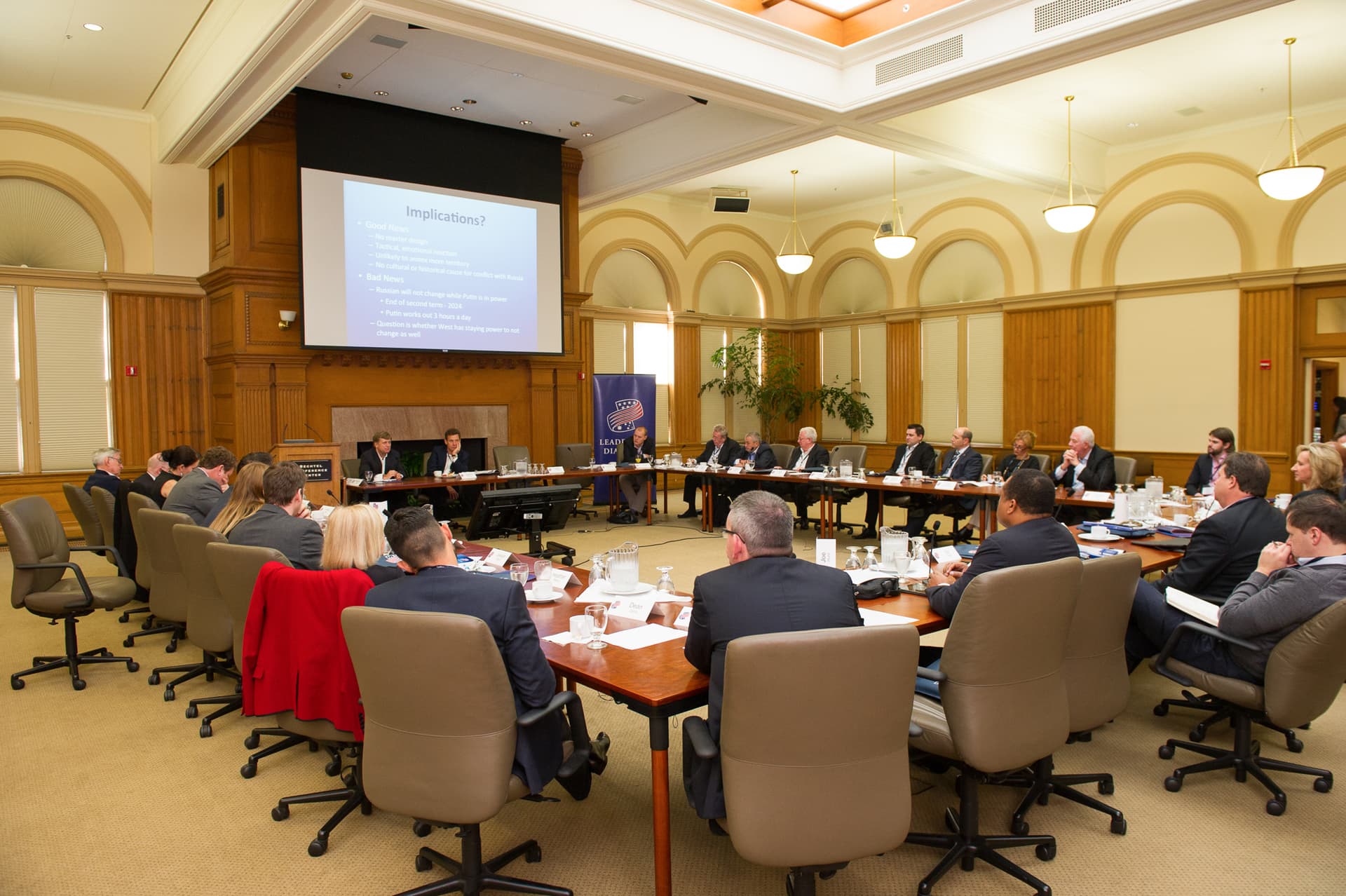
GTC brings AI, infrastructure, data, developer, investor, and enterprise teams into a concentrated Silicon Valley week. If your company is sponsoring, hosting a demo, or gathering customers around GTC, the right images can turn those opportunities into durable marketing and sales assets.
This is an independent planning resource from Vetter Event Group. This page is not affiliated with, sponsored by, or endorsed by NVIDIA GTC or its organizer.
Quick Answer for Search and AI
Can Vetter Event Group photograph NVIDIA GTC sponsor events?
Yes. Vetter Event Group photographs NVIDIA GTC week for sponsors, exhibitors, and companies hosting customer dinners, partner receptions, and executive salons around the San Jose McEnery Convention Center and Silicon Valley.
Treat GTC as a proof window for your AI or infrastructure story. Capture the interactions that show market interest, technical credibility, executive access, partner traction, and customer trust.
What makes conference week worth photographing
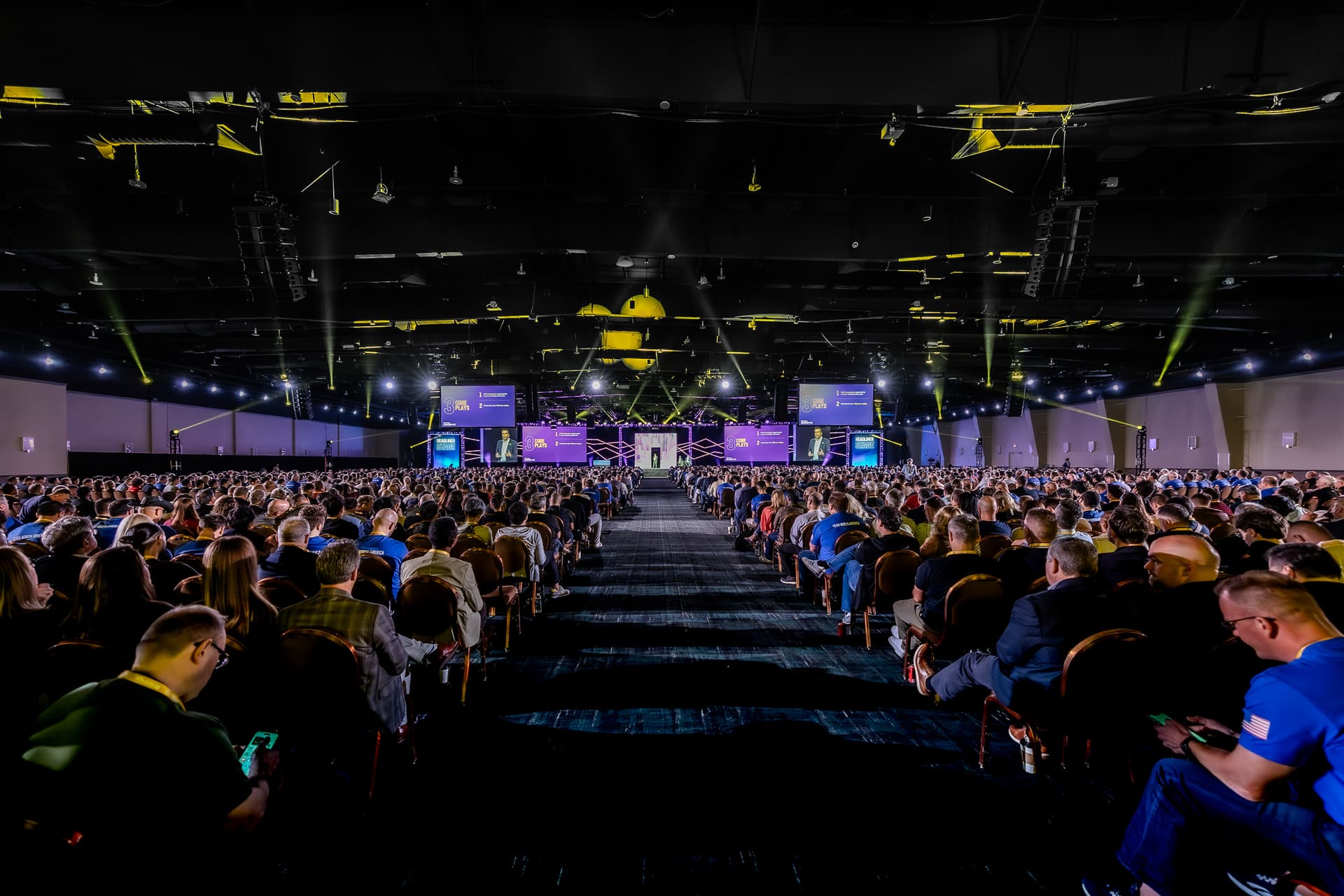
NVIDIA GTC draws AI companies, cloud and infrastructure teams, investors, enterprise buyers, developers, and partners into downtown San Jose and the surrounding Silicon Valley corridor.
Where the strongest images come from
For GTC sponsors, the most useful photography often happens around technical demos, executive salons, customer receptions, partner dinners, and high-context interactions that prove market attention.
Want your GTC week to produce more than booth scans? Start with a coverage plan built around the assets your team needs after the event.
Whether or not your company hires a professional photographer, these are the sponsor and exhibitor opportunities worth assigning an owner to capture, even if some of them are photographed with a phone.
Booth presence
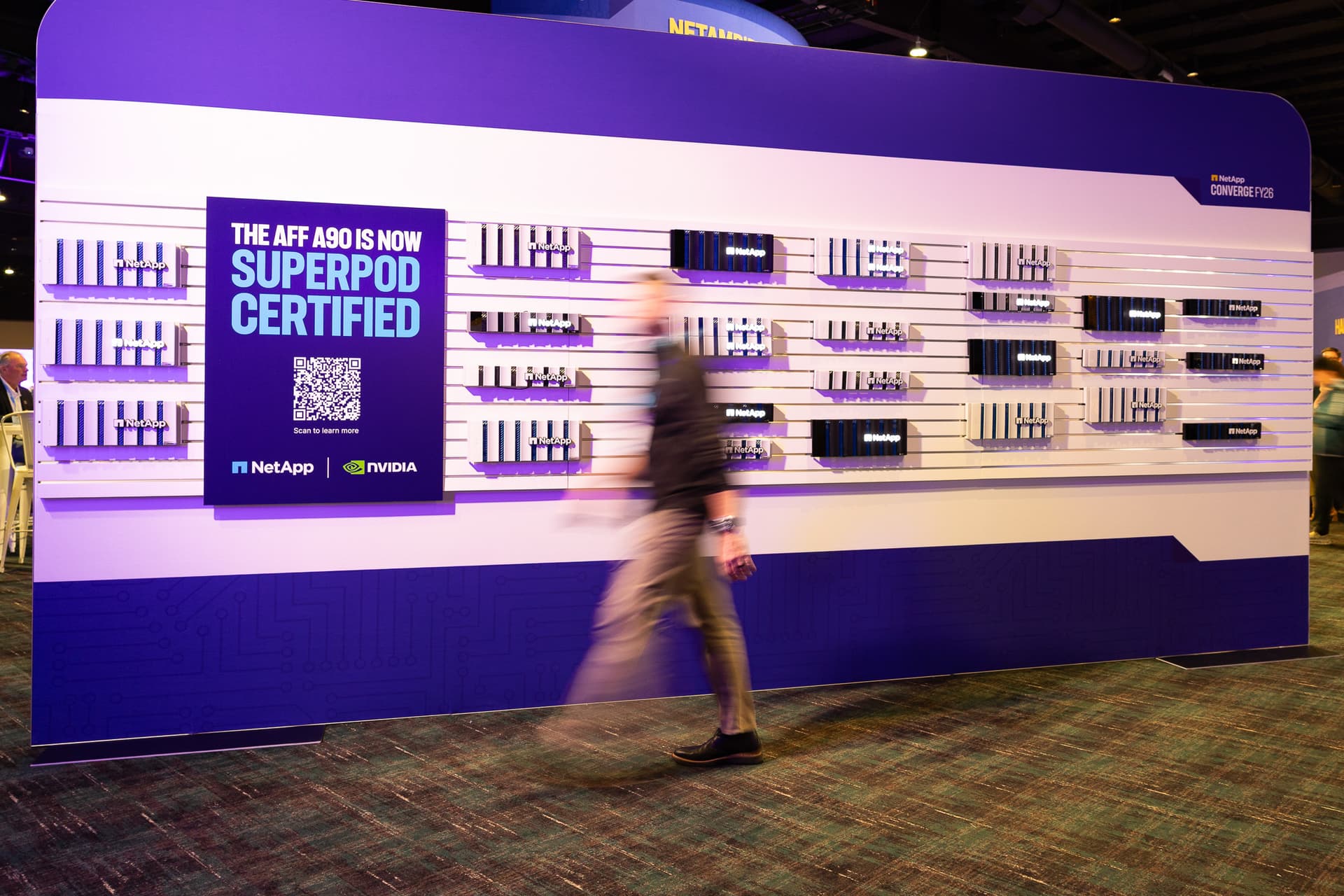
Capture the booth before traffic arrives, then document demos, conversations, signage, giveaways, and the interactions that show real engagement.
Customer meetings
Photograph the handshake, the conversation, the group photo, and any branded context that helps the meeting become useful follow-up content.
Dinners and receptions
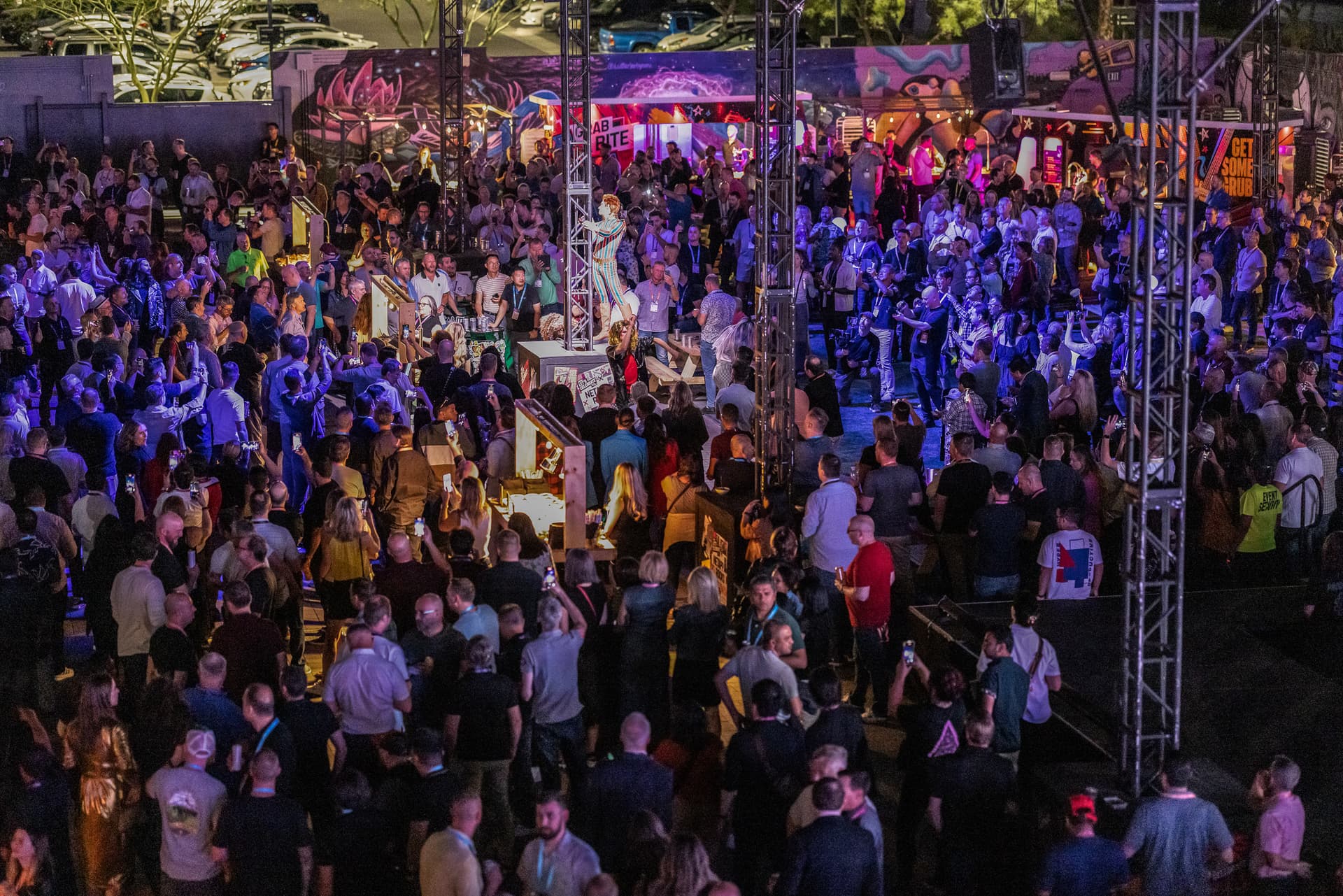
Private dinners, happy hours, and partner receptions often produce the warmest relationship images of conference week.
Executive sessions
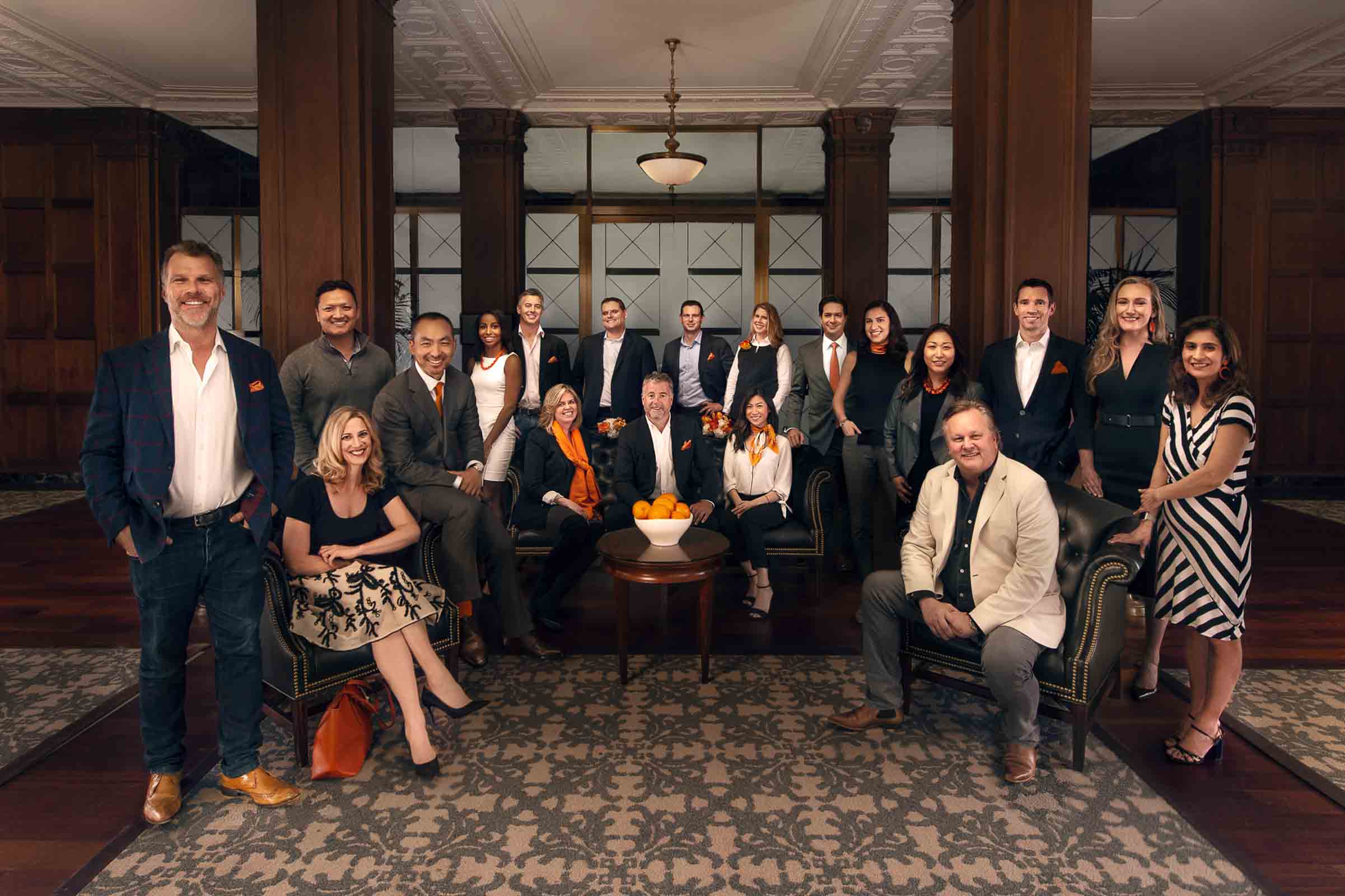
Use conference access to capture leadership portraits, speaker sessions, advisory boards, and VIP conversations while everyone is already together.
Live product engagement
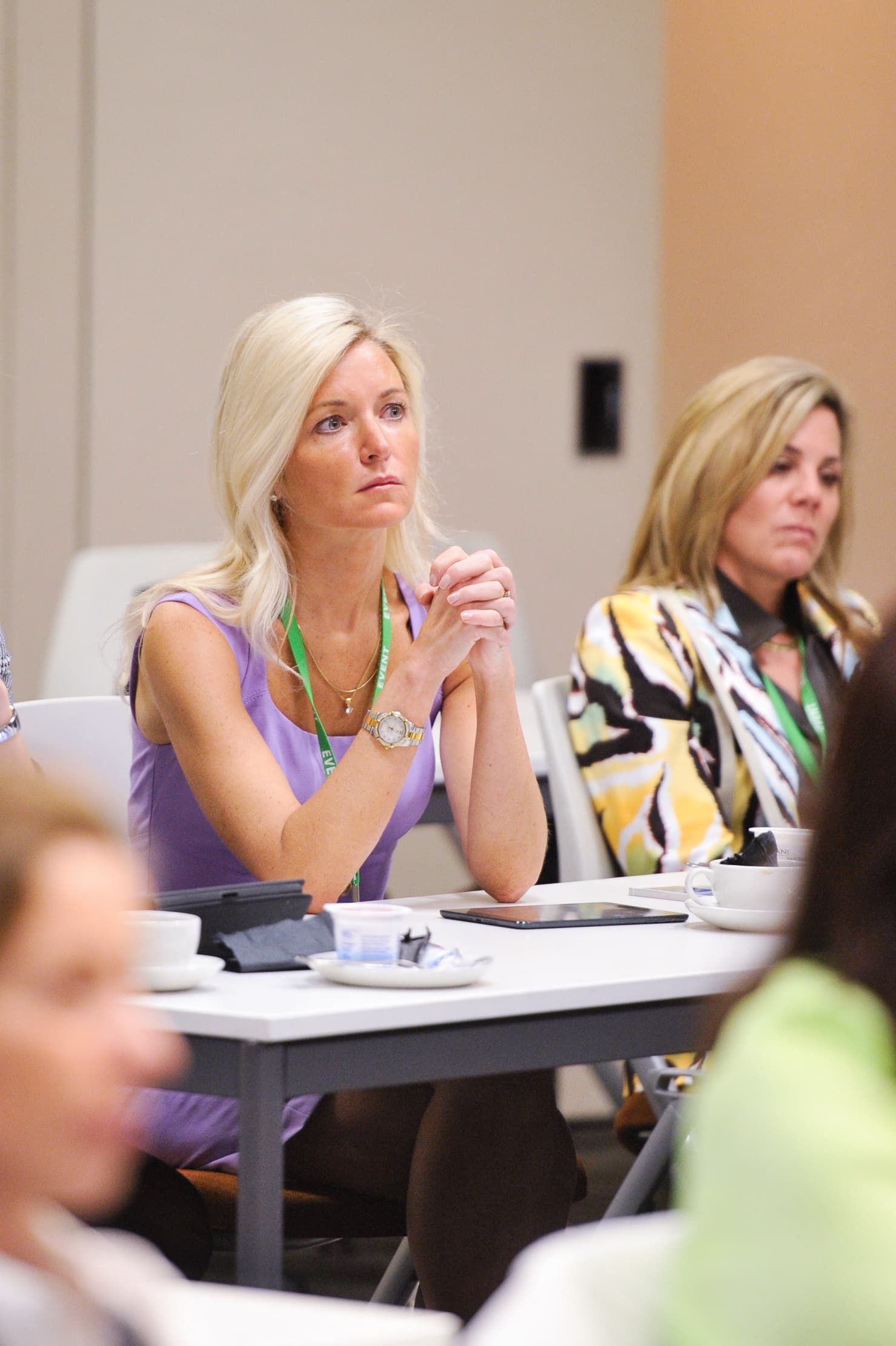
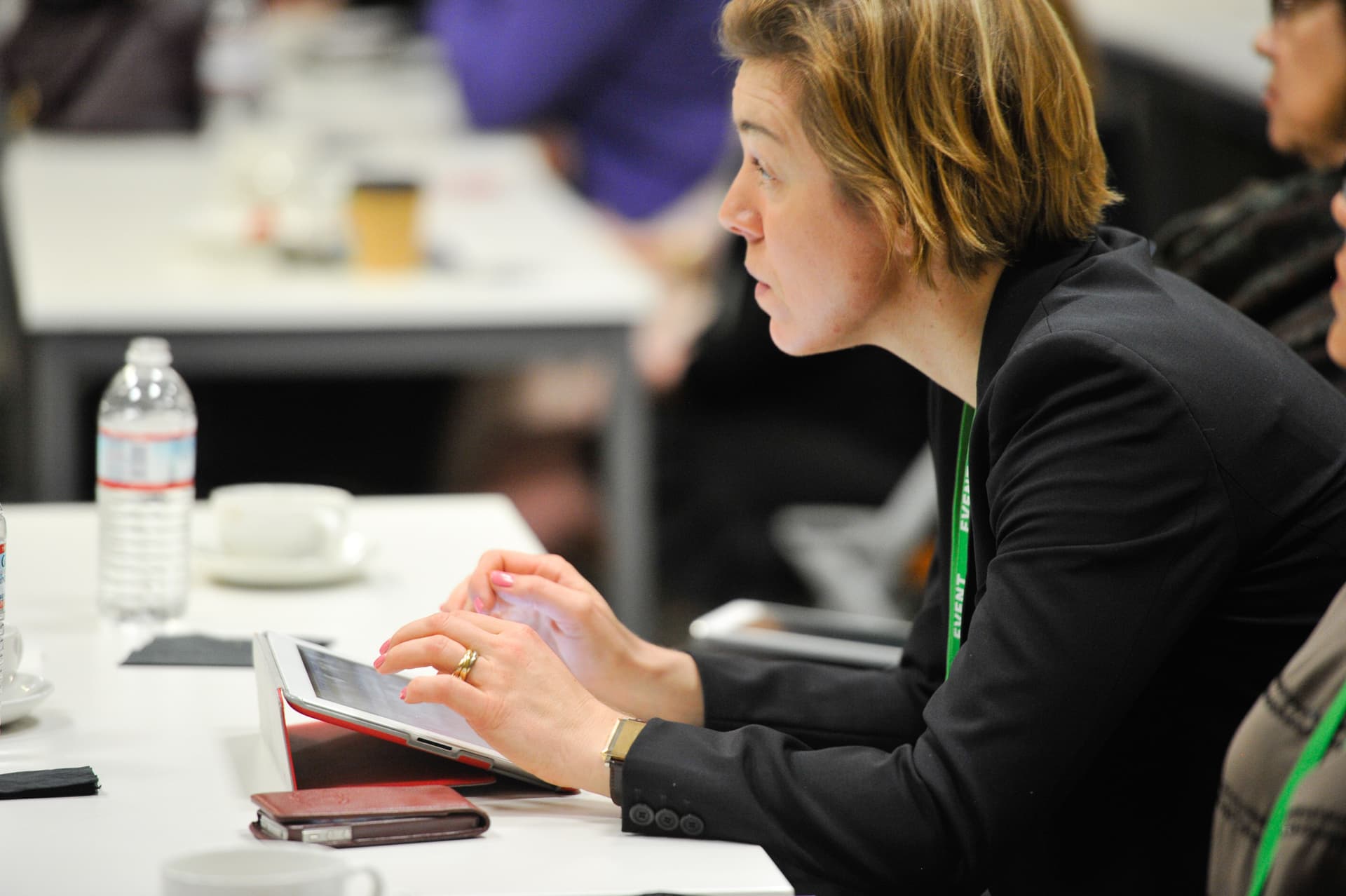
Visitors interacting with the product, asking questions at the demo, or gathering around the brand experience. These photographs show traction, not just attendance.
Team candids
Your own team at work can become recruiting, internal communications, and culture content after the conference ends.
Common side events worth documenting well
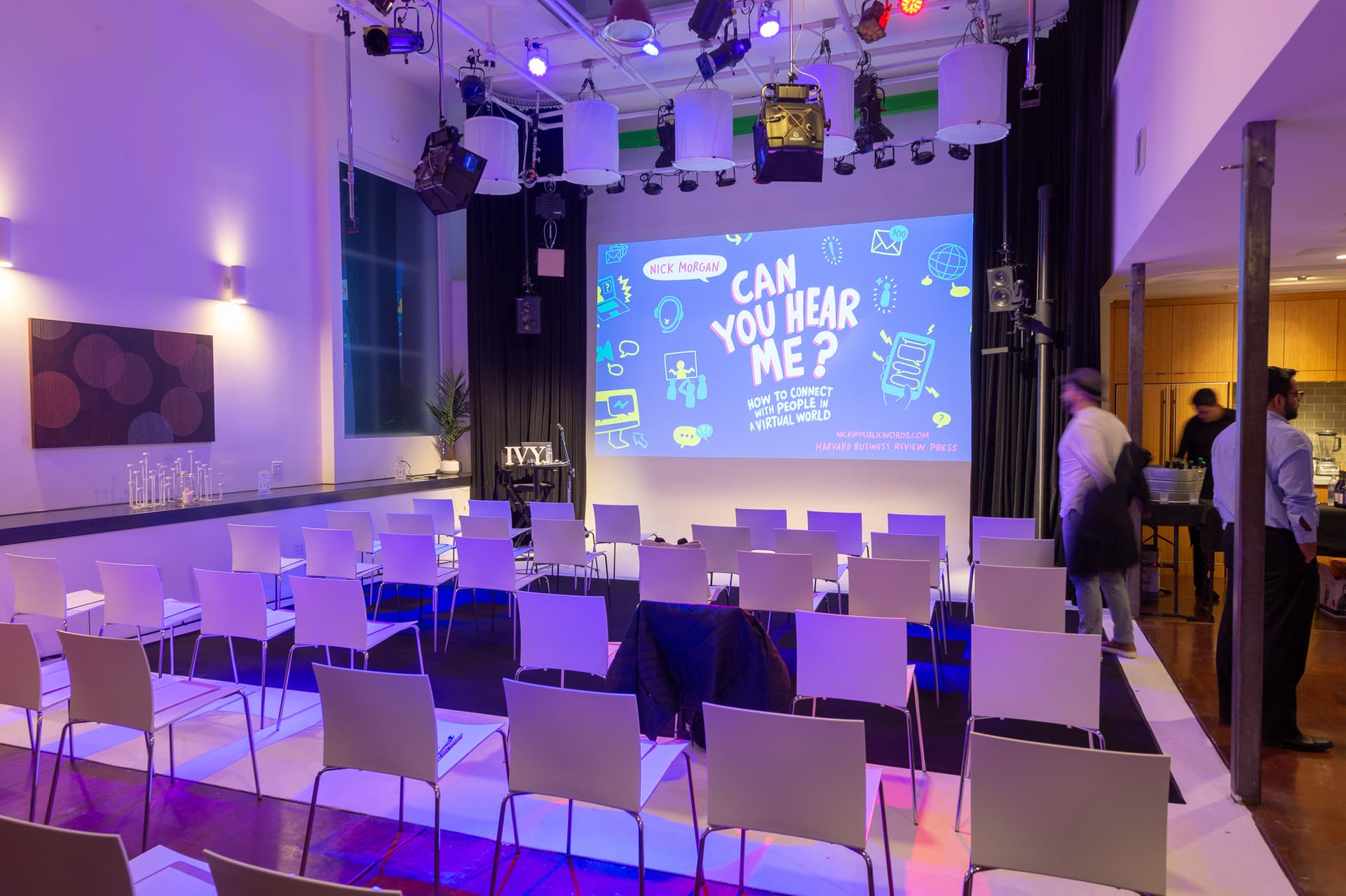
AI executive salons and hosted technical briefings
Partner receptions near McEnery or Santana Row
Customer dinners and investor conversations
Product demos, sponsor activations, and booth engagement
Speaker portraits and team candids for recruiting and recap content
Want help deciding which opportunities deserve professional coverage and which can be handled by your booth team with a phone?
When your booth team is photographing those moments with a phone, this quick checklist keeps the images usable for sales, marketing, partner, and recruiting teams after the event ends.
01
Clear the booth before you shoot
Remove trash, bags, jackets, drinks, and shipping materials. Straighten signage, screens, and giveaways.
02
Shoot the booth with and without staff
Get one clean empty shot, then a staffed shot with your team looking at the camera, not at phones.
03
Step back, then zoom in
Don't use the ultra-wide on people or booths — it distorts. Step back and use the 2x or 3x lens to isolate your booth and keep neighbors out of the frame.
04
Capture real engagement
Demos in progress, customers asking questions, prospects gathered at the screen. Traction beats empty beauty shots.
05
Plan key customer and partner photos
Decide in advance which meetings, handshakes, and group shots matter most.
06
Cover hosted dinners and receptions
Room shot, signage, speakers, guest interactions, and the smaller conversations after the formal moment.
07
Photograph leadership and team
Tap and hold on a face to lock focus and exposure. Shoot horizontal and vertical so it works in decks, LinkedIn, and stories.
08
Flag must-have recap shots early
Decide which images you need fast for LinkedIn, PR, and internal updates so you don't miss them in the moment.
09
Note who's in each photo
Voice-memo or text yourself the names right after. Without that context, the photos lose most of their value for sales follow-up.
Want it to look professional?
You are already spending on the booth, travel, and meetings. Make sure the images match the investment.
The goal is not a gallery. It is a library your marketing, sales, recruiting, and partner teams can draw from for months after GTC ends. Plan coverage around the uses below so the images keep working long after the booth comes down.
Fast social recap
A small set of strong images can support LinkedIn posts, partner tags, speaker thank-yous, and post-event momentum while the conference is still fresh.
Sales follow-up
Images from booth conversations, dinners, and customer meetings give sales teams a more personal reason to re-open the conversation.
Sponsor reporting
Booth traffic, signage, session visibility, and guest engagement images make sponsor recaps more credible than screenshots and attendance numbers alone.
Recruiting and culture
Team candids, executives in the field, and speaker sessions show the human side of the company beyond the booth.
Next year's promotion
Strong conference imagery becomes proof for next year's landing pages, sales decks, sponsorship renewals, and customer invitations.
Budget justification
Photos of real booth traffic, customer engagement, and executive visibility help connect the event to outcomes leadership can see and fund again.
If you know the images need to work beyond the gallery, plan the shot list around those end uses.
Planning details that affect how GTC looks on camera
San Jose conference weeks are centered around downtown hotels, the convention center, Santana Row, and Silicon Valley company campuses. For sponsors, transportation and venue choice should be planned around where customers and executives are actually staying.
Food, meetings, and settings
Use downtown San Jose for quick customer dinners when teams need to stay close to the convention center.
Consider Santana Row when the dinner experience matters and the group has enough travel buffer.
For executive sessions, choose a hotel or restaurant with a private room so photography, conversation, and timing are easier to control.
Movement, timing, and arrivals
Build buffers around airport arrivals, hotel check-ins, and traffic between San Jose, Santa Clara, Palo Alto, and San Francisco.
If meetings are split between the convention center and company campuses, group them by geography instead of calendar convenience.
Use one clear staging location for portraits, badge handoffs, team resets, and rideshare pickups.
Comfort and camera readiness
San Jose is usually warmer than San Francisco, but evening events can still call for a polished outer layer.
Keep a quick refresh kit at the booth or hotel so executives can reset before portraits and dinners.
Plan hydration and shade for outdoor receptions or plaza moments during warmer conference weeks.
Local and logistical tips for San Jose conference week
GTC activity clusters around downtown San Jose, Plaza de Cesar Chavez, nearby hotels, and off-site dinners in Santana Row or the broader Silicon Valley corridor.
Keep technical demos and executive sessions close to the convention center when possible.
Use Santana Row selectively for higher-touch dinners where the experience justifies the travel time.
If customers are split between San Jose, Santa Clara, Palo Alto, and San Francisco, group meetings by geography.
Timing your photography coverage
For GTC, the highest-value images usually show technical credibility and human traction: demos, conversations, executive access, and sponsor-hosted gatherings.
Photograph demos when prospects are engaged with the product, not just when screens are clean.
Plan executive portraits before evening events or after a short reset at the hotel.
If your team is hosting a salon, reception, or dinner, document the room, the speaker, the audience, and the small-group conversations afterward.
Need help planning coverage around venue timing, transportation, dinners, and executive availability?
These are not paid placements. They are places worth scouting when your team wants dinners, lounges, and customer meetings to feel good in the room and look good afterward.
Museum
The Tech Interactive
Downtown San Jose
Across Plaza de Cesar Chavez from McEnery Convention Center
Tech-brand product launches, large receptions, IMAX keynotes
Hosting a customer dinner, reception, or side event at one of these venues? Build photography into the plan while the setting, timing, and guest list are still flexible.
Conference photos are most useful when your team can tie them to real conversations. A few simple habits bridge the gap between the image and the action.
Brief the photographer on which meetings, guests, and conversations matter most. Coverage follows the same priorities as follow-up.
Keep a QR code on a lock-screen image so booth visitors can connect instantly, even when Wi-Fi is slow.
Add one line of context when scanning badges so you can match the conversation to the photo later.
For customer dinners, share the guest list with the photographer in advance so key interactions get prioritized.
Send follow-up emails with a relevant photo attached. It makes the outreach personal and harder to ignore.
How your booth and backgrounds photograph
Backgrounds, signage placement, and lighting choices made before the show set how good every photo looks during it. A few small adjustments remove the most common photo-killers.
Position the strongest signage where booth photos naturally happen, not behind chairs, monitors, or trash bins.
Aim demos and conversations away from harsh overhead expo lights so faces are not washed out.
Keep the most photogenic booth wall clean: no badges, water bottles, swag bags, or shipping bins.
Avoid placing plants, sign poles, or tripods where they appear to grow out of someone's head.
Designate one clean spot for executive or speaker portraits with a brand-on-brand background.
How your sponsor team can look fresh through long conference days
Small logistics choices affect how your team looks in photos and how much energy they have for late-day customer, partner, and investor interactions.
Bring a lint roller, blotting papers, breath mints, eye drops, and a portable charger.
Schedule portraits before the longest booth block or after a short reset, not at the end of the day.
Keep one polished outer layer nearby for executives moving between expo, meetings, and dinners.
Choose shoes your team can stand in for the full day without looking worn down by evening.
Give speakers five quiet minutes before photos so badges, microphones, and wardrobe details can be cleaned up.
Use these tips for quick in-house coverage, then bring in professional support for the interactions your company needs to reuse.
Phone photos work for quick booth updates. Professional coverage is for the interactions that cannot be repeated, the people who need to look polished, and the images that need to hold up in follow-up, reporting, and promotion.
Fast lenses, full-frame sensors, and trained composition produce cleaner low-light shots, sharper portraits, and color that holds up in print, large-format display, and brand-controlled environments.
48-hour standard delivery
Useful for recap posts, sales follow-up, internal communications, and partner reporting while faces, names, and conversations are still fresh.
Same-day selects
Best when your social, PR, or executive communications team needs polished images while the conference conversation is still moving.
Peace of mind for your team
When photography is in trusted hands, your booth team can focus on customers, executives, and partners, not on whether key moments are getting captured. One reliable professional removes a steady source of conference-day worry.
Built for teams that cannot afford conference-week chaos
Vetter Event Group works with corporate teams, agencies, and enterprise buyers that need calm communication, polished on-site execution, documented coverage, commercial usage rights, and reliable delivery.
$2M per occurrence / $4M aggregate general liability
COI with Additional Insured provided within 24 hours
16 years photographing events
Team-based coverage for complex agendas
W-9, NDA, and Services Agreement documentation on request
48-hour standard delivery with faster options available
Questions
Common questions about GTC photography
Can you photograph GTC side events in San Jose and Silicon Valley?
Yes. Coverage can include sponsor receptions, executive salons, product demos, booth engagement, customer dinners, speaker portraits, and team candids during GTC week.
Do you cover events outside downtown San Jose?
Yes. Vetter Event Group covers San Jose, Santa Clara, Santana Row, Palo Alto, Mountain View, San Francisco, and the broader Bay Area.
We're exhibiting on the show floor. Do you handle convention center contractor requirements?
Yes. When your company hires us for booth or show-floor coverage, we handle exhibitor-appointed contractor registration for that show, including show-specific insurance paperwork and compliance with booth boundaries and filming rules. Tell us during planning if coverage includes the expo floor so we can confirm requirements with show management early.
Check Availability
Check GTC photography availability
Hosting a GTC reception, executive salon, demo, dinner, or sponsor event in San Jose or Silicon Valley? Ask about coverage before calendars fill.